Portrait Studies
June 18
Juventus Black and White and More

Moving Beyond Football
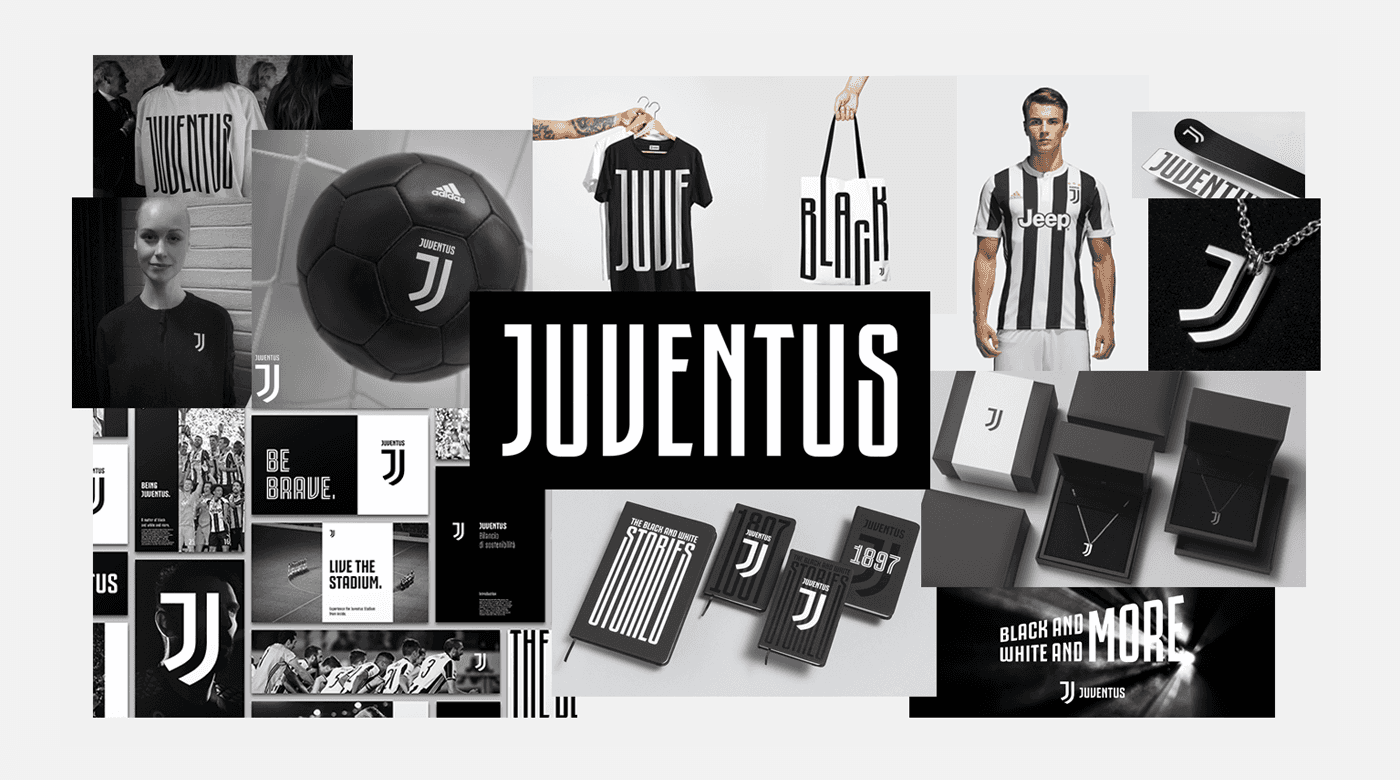
In 2017, Interbrand replaced Juventus’s traditional crest with a bold, minimalist identity. The change caused an immediate backlash, particularly because the club’s 120-year history was deeply connected to Italian football culture.
Although Juventus was Italy’s most successful club at the time, it struggled to compete globally with brands such as Real Madrid, Barcelona and Manchester United. The rebrand aimed to make Juventus more accessible to international audiences and position it as a lifestyle brand that could exist beyond football. Launching the new identity during Milan Fashion Week made this ambition clear.

Short-Term Pain for Long-Term Gain
The strategy was risky and initially criticised for being corporate, anonymous and disconnected from the club’s history. However, Juventus accepted the short-term backlash and remained committed to its long-term vision. Rather than changing direction to satisfy the immediate response, the club gave its new identity time to become familiar and established.
This case study showed me that bold creative decisions are not always understood straight away. Sometimes, achieving long-term success means trusting the strategy, accepting initial discomfort and allowing an idea time to prove its value. Juventus’s willingness to continue with the plan helped transform a controversial rebrand into a distinctive global identity.
Director Spotlight
Belle Smith
Other articles
Portrait Studies
June 18
Juventus Black and White and More
Moving Beyond Football
In 2017, Interbrand replaced Juventus’s traditional crest with a bold, minimalist identity. The change caused an immediate backlash, particularly because the club’s 120-year history was deeply connected to Italian football culture.
Although Juventus was Italy’s most successful club at the time, it struggled to compete globally with brands such as Real Madrid, Barcelona and Manchester United. The rebrand aimed to make Juventus more accessible to international audiences and position it as a lifestyle brand that could exist beyond football. Launching the new identity during Milan Fashion Week made this ambition clear.
Short-Term Pain for Long-Term Gain
The strategy was risky and initially criticised for being corporate, anonymous and disconnected from the club’s history. However, Juventus accepted the short-term backlash and remained committed to its long-term vision. Rather than changing direction to satisfy the immediate response, the club gave its new identity time to become familiar and established.
This case study showed me that bold creative decisions are not always understood straight away. Sometimes, achieving long-term success means trusting the strategy, accepting initial discomfort and allowing an idea time to prove its value. Juventus’s willingness to continue with the plan helped transform a controversial rebrand into a distinctive global identity.
Director Spotlight
Belle Smith
Other articles